

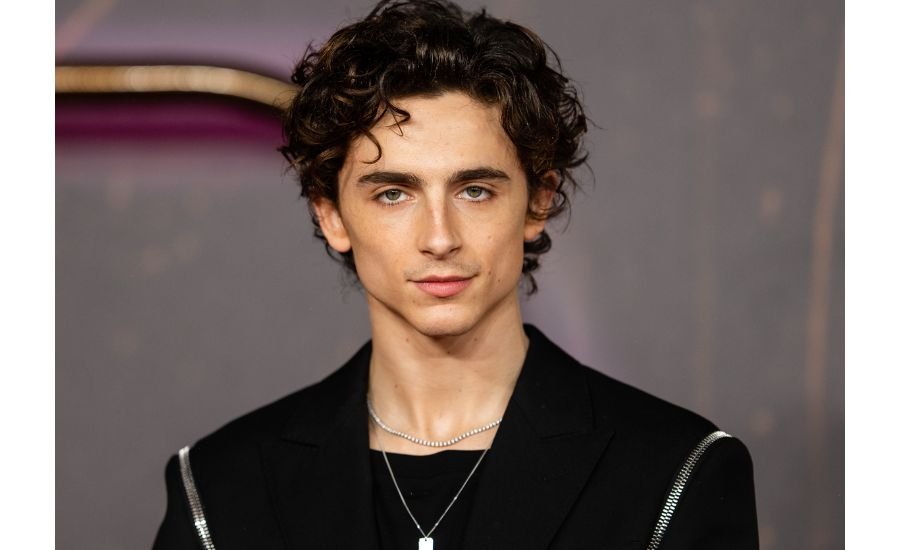
Who is Timothy Shalloway?
The keyword “Timothy Shalloway” is widely recognized across the internet, but interestingly, it is not an officially documented public figure name. Instead, it is most commonly understood as a misspelling or variation of the name Timothée Chalamet, a highly popular American actor known for his performances in modern cinema. Because of search behavior, autocorrect variations, and global pronunciation differences, “Timothy Shalloway” has become a frequently used keyword that points toward the same celebrity identity.
This kind of naming confusion is not unusual in the digital world. Many public figures experience variations of their names across different languages, regions, and typing habits. In this case, “Shalloway” is likely a phonetic or simplified spelling that emerged from how “Chalamet” is pronounced. Over time, such variations become searchable terms on their own, even if they are not officially correct.
From an SEO and internet culture perspective, “Timothy Shalloway” is a perfect example of how audience behavior shapes online language. When users repeatedly search a misspelled or alternate version of a name, search engines begin associating that keyword with the correct identity. As a result, the keyword develops its own presence in search trends and content ecosystems.
Even though the name itself is not officially recognized, the interest behind it is very real. People searching for “Timothy Shalloway” are usually looking for information about Timothée Chalamet’s acting career, personal style, or latest film projects. This makes the keyword a bridge between user curiosity and mainstream celebrity culture.
Early Life and Background (Connected Identity Overview)
When discussing the identity behind “Timothy Shalloway,” it is important to look at the real-life background of the actor most commonly associated with this keyword. The individual in question is widely known for growing up in a culturally rich environment that shaped his artistic personality from a young age. Exposure to performing arts, creativity, and storytelling played a major role in his development.
His upbringing included a strong connection to both American and European influences, which later became visible in his acting style. This dual cultural exposure gave him a unique perspective on performance, allowing him to adapt easily to diverse roles and cinematic styles. It also contributed to his expressive emotional range on screen.
Education also played a role in shaping his early journey. Before fully committing to acting, he balanced academics with artistic training, which helped him build discipline and focus. Many actors who start young often struggle with this balance, but in this case, it became a foundation for long-term success.
As his interest in acting grew stronger, he began participating in small roles and auditions, gradually building experience in the entertainment industry. These early steps were essential in shaping his confidence and understanding of film production. Over time, this foundation would lead to major opportunities in Hollywood.
Acting Career Breakthroughs
The rise of the actor commonly searched as “Timothy Shalloway” is closely tied to a series of breakthrough performances that gained international attention. His early roles demonstrated not only talent but also emotional depth that stood out in a competitive industry. Critics and audiences quickly noticed his ability to portray complex characters with authenticity.
One of the key turning points in his career was his appearance in coming-of-age and dramatic films that showcased vulnerability and emotional intelligence. These roles helped establish him as a serious actor rather than just a rising celebrity. His performances often carried a natural realism that resonated with younger audiences.
As his reputation grew, he began receiving opportunities to work with well-known directors and production houses. This transition marked his entry into high-budget films and globally recognized projects. Each new role expanded his range and reinforced his position in modern cinema.
What makes his career progression interesting is the consistency of critical appreciation. Even when films varied in genre, his performances often remained a highlight. This consistency helped solidify his image as a dependable and talented actor in the industry.
Major Films and Performances
The filmography associated with the identity behind “Timothy Shalloway” includes a wide range of genres, from emotional dramas to science fiction and historical narratives. This diversity reflects his willingness to explore different storytelling styles rather than being confined to one type of role.
In dramatic films, he is often praised for his ability to convey deep emotional conflict without overacting. His subtle expressions and controlled performance style make his characters feel realistic and relatable. This has become one of his defining strengths as an actor.
In more visually driven or large-scale productions, he adapts by balancing emotional depth with the demands of complex storytelling environments. Whether the role requires intensity, romance, or introspection, he manages to maintain a strong screen presence.
Beyond mainstream success, some of his performances are also appreciated for their artistic value. These roles often appear in critically acclaimed films that focus more on storytelling depth than commercial appeal. This balance between art and mainstream cinema is one of the reasons he remains highly relevant in the industry.
Public Image, Style, and Influence
The public image associated with “Timothy Shalloway” is strongly tied to modern youth culture, fashion influence, and artistic individuality. He is often seen as a style icon, known for blending classic and contemporary fashion elements in a way that feels effortless and expressive.
His red carpet appearances frequently attract attention not just for the films he represents, but also for his fashion choices. Designers and fashion critics often highlight his ability to carry experimental styles while maintaining elegance. This has made him a regular figure in fashion discussions beyond the film industry.
In addition to style, his influence extends to social media and pop culture conversations. Fans often discuss his roles, interviews, and public Mark Hines appearances, contributing to a strong online presence. This digital engagement plays a significant role in maintaining his global popularity.
What sets his public image apart is the combination of humility and confidence. Despite fame, he is often perceived as grounded and focused on his craft. This balance has helped him maintain a positive reputation in both entertainment and media spaces.
Online Search Confusion and SEO Impact
The keyword “Timothy Shalloway” is a fascinating case study in search engine behavior and digital identity. It highlights how misspellings and variations can evolve into widely searched terms, even when they are not officially correct. Search engines adapt to these patterns by linking them to the most relevant content available.
From an SEO perspective, this keyword demonstrates how user intent shapes online visibility. People searching for “Timothy Shalloway” are typically looking for information about Timothée Chalamet, even if the spelling is incorrect. As a result, content creators often optimize for both versions to capture search traffic effectively.
This phenomenon also shows how global audiences interact with celebrity names. Pronunciation differences, autocorrect systems, and regional spelling habits all contribute to variations in search queries. Over time, these variations become part of the broader digital footprint of a public figure.
For content writers and SEO professionals, understanding such keyword behavior is essential. It allows them to create content that matches real user intent rather than just correct spelling. In this way, “Timothy Shalloway” becomes more than a mistake—it becomes a meaningful entry point into audience behavior analysis.
Conclusion
The keyword “Timothy Shalloway” may not represent an officially recognized name, but it clearly reflects strong public interest in the actor it refers to. It is a product of digital culture, search behavior, and global audience interaction. Over time, such variations become part of how information spreads online.
