

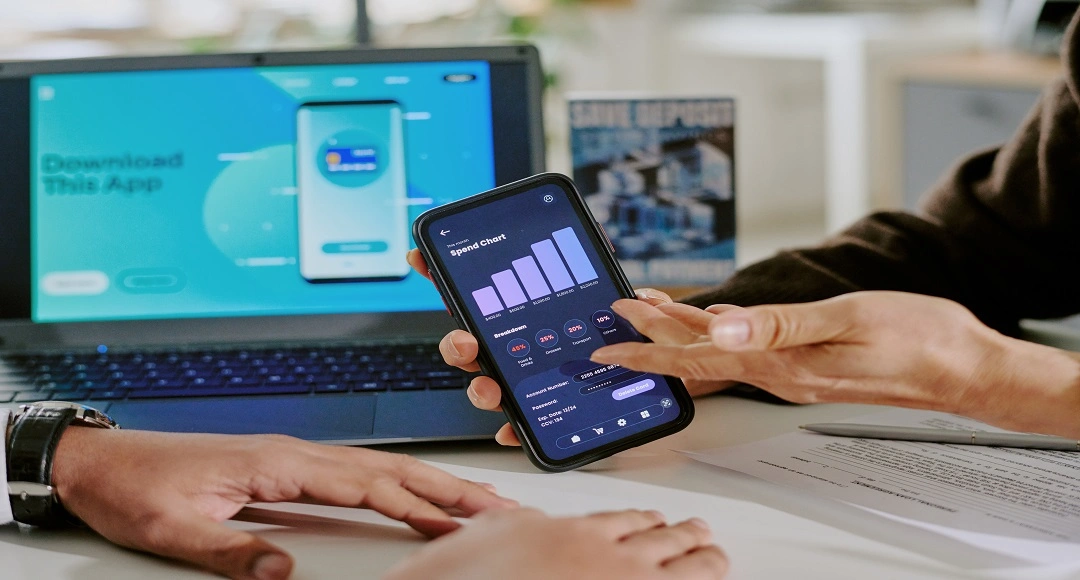
Introduction to Miuzo
Miuzo is often described as a modern digital concept that blends technology, user experience, and intelligent systems into a unified ecosystem. While the term itself may sound abstract or even futuristic, it represents a growing trend in how digital platforms are being designed today. Instead of focusing on a single function or service, Miuzo symbolizes a multi-layered environment where different technologies interact seamlessly to deliver smarter outcomes.
In simple terms, Miuzo can be understood as a framework that connects people, data, and digital tools in a more meaningful way. It is not limited to one industry or application. Instead, it reflects the idea of integration—bringing together communication systems, automation tools, and intelligent analytics under one umbrella. This makes it highly relevant in today’s fast-moving digital world.
What makes Miuzo interesting is its flexibility. It can be interpreted as a platform, a system, or even a philosophy of design depending on the context. Many experts view it as a representation of next-generation digital ecosystems where user experience and machine intelligence work hand in hand.
As businesses and users continue to demand faster, smarter, and more personalized solutions, concepts like Miuzo become increasingly important. They provide a blueprint for how future technologies can evolve without becoming overly complex or disconnected from human needs.
Understanding the Core Idea Behind Miuzo
At its core, Miuzo revolves around the idea of digital unification. In today’s world, users interact with multiple platforms, apps, and services daily. Miuzo aims to simplify this fragmented experience by creating a more cohesive structure where everything feels connected and intuitive.
One of the key principles behind Miuzo is accessibility. It focuses on ensuring that users can move between different digital environments without friction. Whether it is communication, data access, or task automation, Miuzo represents a seamless flow of interaction. This reduces complexity and improves efficiency.
Another important aspect of Miuzo is intelligence. It is not just about connecting systems but also about making them smarter. Through data analysis and adaptive algorithms, Miuzo-like systems can learn from user behavior and improve over time. This creates a more personalized and responsive digital experience.
Finally, Miuzo emphasizes scalability. It is designed to grow with user needs and technological advancements. Whether applied in small-scale applications or large enterprise systems, the concept remains flexible enough to adapt without losing its core structure.
Key Features That Define Miuzo
One of the most defining features of Miuzo is integration. Instead of operating as isolated tools, different components within a Miuzo-inspired system communicate with each other. This allows data to flow freely and reduces redundancy across platforms.
Another major feature is automation. Miuzo systems often rely on intelligent automation to handle repetitive tasks. This not only saves time but also minimizes human error. Automation in this context is not rigid; it is adaptive and improves based on usage patterns.
User-centric design is also a crucial feature. Miuzo places a strong emphasis on how users interact with technology. Interfaces are designed to be intuitive, minimal, and responsive. The goal is to make technology feel natural rather than complicated.
Lastly, security and data management play a vital role. Since Miuzo involves interconnected systems, protecting data becomes essential. Advanced encryption, access control, and monitoring systems are often part of the framework to ensure safety and reliability.
The Technology Behind Miuzo
The technological foundation of Miuzo is built on modern computing principles such as cloud infrastructure, artificial intelligence, and real-time data processing. These technologies work together to create a dynamic and responsive ecosystem.
Cloud computing plays a major role in Miuzo’s structure. It allows data and services to be accessed from anywhere, making the system highly flexible. This also ensures that resources can be scaled up or down based on demand without disrupting performance.
Artificial intelligence adds another layer of intelligence to Miuzo systems. Through machine learning algorithms, these systems can analyze user behavior, predict needs, and optimize performance automatically. This makes the entire ecosystem more efficient and personalized.
In addition, real-time data processing ensures that Miuzo systems can react instantly to changes. Whether it is updating information, processing user input, or managing system resources, everything happens with minimal delay, which is crucial for modern digital environments.
Applications of Miuzo in the Real World
Miuzo can be applied in a wide range of industries, making it a versatile concept. In business environments, it can help streamline operations by integrating communication tools, data systems, and workflow automation into a single platform.
In education, Miuzo-like systems can create more interactive and personalized learning experiences. Students can access tailored content, track their progress, and receive real-time feedback, making education more engaging and effective.
Healthcare is another area where Miuzo has significant potential. By connecting patient data, diagnostic tools, and medical systems, it can help doctors make faster and more accurate decisions. This improves patient care and reduces administrative burden.
Even in everyday digital life, Miuzo can enhance user experience by simplifying how people interact with apps, devices, and online services. It reduces complexity and creates a more unified digital environment.
Benefits of the Miuzo Approach
One of the biggest benefits of Miuzo is efficiency. By integrating multiple systems into one cohesive structure, it reduces the time and effort required to manage different tools separately. This leads to better productivity and smoother workflows.
Another benefit is improved user experience. Since Miuzo focuses on simplicity and integration, users do not need to navigate multiple platforms. Everything is designed to feel connected and easy to use.
Scalability is also a major advantage. Miuzo systems can grow with user needs, making them suitable for both small businesses and Babeltee large organizations. This flexibility ensures long-term usability without major redesigns.
Finally, Miuzo enhances decision-making through data-driven insights. By analyzing information in real time, it helps users and organizations make smarter and more informed choices.
Challenges and Future of Miuzo
Despite its advantages, Miuzo also comes with challenges. One of the main concerns is complexity in implementation. Building a fully integrated system requires advanced planning, technical expertise, and significant resources.
Another challenge is data privacy. Since Miuzo systems rely heavily on data sharing and integration, ensuring that sensitive information remains secure is critical. Any breach or misuse could have serious consequences.
There is also the issue of standardization. For Miuzo-like systems to work effectively, different technologies and platforms need to follow compatible standards. Without this, integration becomes difficult and less efficient.
Looking into the future, Miuzo is expected to evolve alongside advancements in artificial intelligence, automation, and cloud computing. As technology becomes more interconnected, concepts like Miuzo will likely play a central role in shaping digital ecosystems.
Conclusion
Miuzo represents more than just a digital concept—it reflects the direction in which modern technology is heading. With its focus on integration, intelligence, and user experience, it offers a blueprint for building more connected and efficient systems.
