

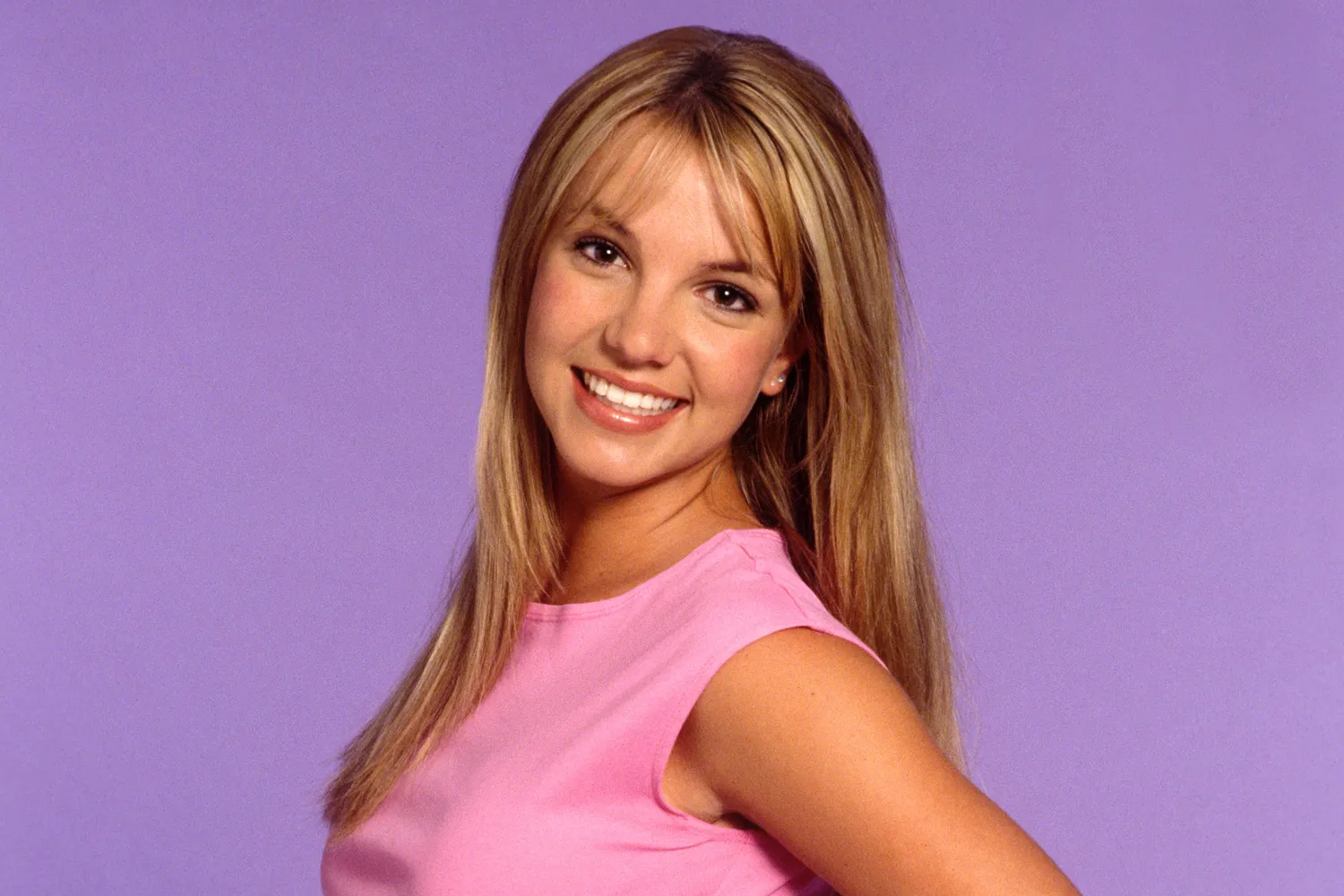
Introduction: The Story Behind a Global Pop Icon
When people talk about modern pop music, it’s impossible not to mention Britney Spears. She is one of those rare artists who didn’t just release songs but actually helped define an entire era of pop culture. From the late 1990s onward, her presence reshaped what it meant to be a global pop star, especially for young artists entering the industry.
Britney’s journey is not just about fame and music success. It’s also about pressure, transformation, personal battles, and a level of public attention that few entertainers have ever experienced. Her life has been watched, discussed, criticized, and celebrated on a global scale for more than two decades.
What makes her story especially unique is the contrast between her polished public image and the very complicated reality behind the scenes. At her peak, she was seen as unstoppable, yet privately she was dealing with challenges that would later become central to public discussions about celebrity, control, and mental health.
Even today, Britney Spears remains a cultural reference point. Her influence continues to appear in music, fashion, performance style, and even conversations about artist rights. To understand her impact fully, we need to go step by step through her journey—from her childhood to her rise, struggles, and lasting legacy.
Early Life and the Making of a Performer
Britney Spears was born in Mississippi and raised in Louisiana, in a relatively modest family setting. From a very young age, she showed signs of strong performance ability. Singing, dancing, and stage presence came naturally to her, and her family quickly noticed her potential.
Her early exposure to entertainment wasn’t accidental. She participated in talent shows, church performances, and small stage events where her confidence began to stand out. Even as a child, she had a strong desire to perform, which eventually led her toward professional training in singing and dance.
During her childhood, Britney also attended performing arts programs that helped refine her skills. These environments played a big role in shaping her discipline and understanding of stage performance. She wasn’t just talented—she was also trained from an early age to handle the demands of entertainment.
However, her early life was not just about success and opportunity. It also involved pressure, long practice hours, and an intense focus on building a career in entertainment. This early structure would later contribute to both her success and the challenges she faced as an adult in the spotlight.
The Rise to Fame and Global Breakthrough
Britney’s breakthrough came in the late 1990s when she entered the pop music industry as a teenager. Her debut album instantly captured global attention, largely because it combined catchy pop production with a fresh, youthful image that connected with millions of listeners.
Her early songs were not just popular—they became cultural phenomena. Music videos, choreography, and her signature style quickly made her one of the most recognizable faces in the world. She wasn’t just a singer; she was a brand, a trendsetter, and a media sensation all at once.
What made her rise even more powerful was the timing. The late 90s and early 2000s were the peak of MTV-driven pop culture, and Britney became one of its biggest icons. Her performances were heavily broadcast, and her image dominated magazines, television, and global entertainment media.
As her popularity grew, so did expectations. Every new release was treated like a major global event. Her concerts sold out rapidly, and her influence spread beyond music into fashion and youth culture. She became a symbol of a generation that grew up alongside her career.
Peak Stardom and Cultural Dominance
At the height of her career, Britney Spears was more than a pop star—she was a global cultural force. Her albums consistently topped charts, and her performances became iconic moments in entertainment history. She set standards for stage production, choreography, and pop music presentation.
During this period, she was constantly in the public eye. Every move she made was analyzed by media outlets worldwide. Her relationships, appearance, and personal life became topics of constant discussion, which added enormous pressure to her already demanding career.
Despite the pressure, Britney continued to deliver successful music projects. Her ability to evolve her sound and image helped her maintain relevance even as music trends changed. She experimented with different styles while still keeping her core identity intact.
This era also marked the expansion of her influence beyond music. She became a fashion icon, a celebrity reference point, and a major influence on emerging pop artists. Many performers today openly acknowledge her impact on their careers.
Personal Struggles and Media Pressure
While her career looked glamorous from the outside, Britney’s personal life was increasingly affected by intense media scrutiny. Being one of the most photographed celebrities in the world meant she had very little privacy, and this constant attention began to take a toll.
The pressure of fame, combined with personal challenges, led to a highly publicized period of instability in her life. This phase was heavily covered by the media, often in a way that focused more on sensationalism than understanding.
During this time, discussions about her mental health became public, and her life became a subject of constant speculation. Unfortunately, much of the coverage lacked sensitivity, which later sparked wider debates about how the media treats celebrities during difficult periods.
This phase of her life became one of the most discussed aspects of her story, not because it defined her, but because it revealed how extreme fame can impact a person’s mental and emotional well-being.
Conservatorship and Legal Control
One of the most controversial chapters in Britney Spears’ life was her long-term conservatorship. This legal arrangement placed control of many aspects of her personal and financial life in the hands of others.
The conservatorship lasted for many years and became a major public discussion topic. Fans and advocates raised concerns about autonomy, personal freedom, and the ethics of long-term legal control over an adult.
Over time, a large public movement emerged supporting Britney and calling for changes to her situation. This movement gained global attention and became one of the most prominent celebrity-related legal discussions in modern history.
Eventually, legal proceedings led to the end of the conservatorship. This moment was widely celebrated by supporters who saw it as a major victory for personal freedom and rights. It also sparked broader conversations about legal protections and reform.
Comeback, Reinvention, and Modern Era
After years of legal and personal struggles, Britney Spears slowly reentered public life in a different way. Her focus shifted toward independence, personal expression, and regaining control over her life and decisions.
In the modern era, she has used social media as a primary way to communicate with fans. This direct connection allows her to share thoughts and updates without the filter of traditional media outlets.
Her comeback is not defined by a single moment but rather by a gradual rebuilding of her personal identity outside the intense structure of her earlier career. She has chosen a quieter, more controlled approach to public life compared to her peak fame years.
This phase represents a shift from global domination to personal stability. It shows how an artist can evolve beyond industry expectations and redefine what success means on their own terms.
Musical Legacy and Industry Influence
Britney Spears’ influence on the music industry is massive and long-lasting. She helped shape the blueprint for modern pop performance, combining music, choreography, fashion, and visual storytelling into a complete entertainment package.
Many contemporary artists credit her as an inspiration. Her approach to music videos and live performances set standards that are still followed today. She proved Liam Costner that pop music could be both commercially successful and artistically impactful.
Her catalog of music continues to be streamed globally, showing that her work has lasting appeal beyond its original release era. Songs from her early career are still widely recognized across generations.
Beyond music, her story also influenced conversations about artist rights, mental health awareness, and the pressures of fame. In many ways, her legacy extends beyond entertainment into cultural and legal discussions.
Conclusion: A Life That Redefined Pop Culture
Britney Spears’ journey is one of the most complex and influential stories in modern entertainment. She rose from a talented young performer to a global superstar, faced intense personal and legal struggles, and eventually reclaimed her independence.
