

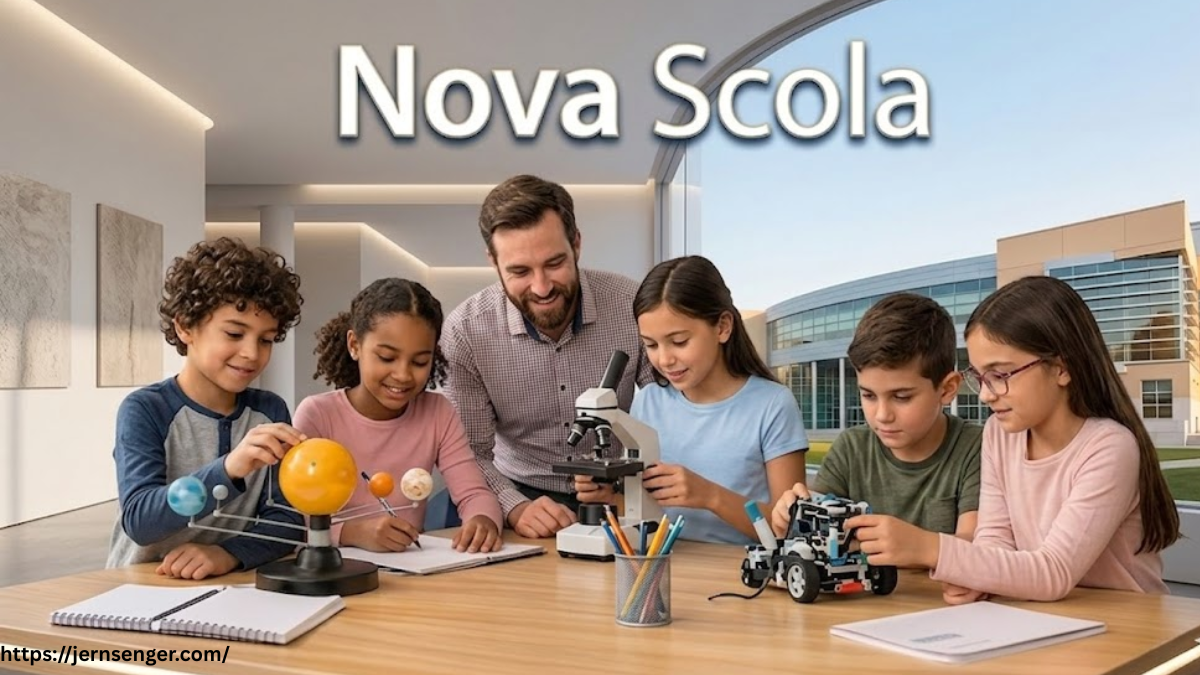
Introduction to Nova Scola
The phrase “Nova Scola” carries a sense of renewal and transformation. Derived from Latin, where nova means “new” and scola (or schola) refers to “school,” the term embodies the idea of a fresh approach to learning. In a world that is constantly evolving, traditional educational systems often struggle to keep pace with technological advancements, cultural shifts, and the changing needs of learners. Nova Scola represents a conceptual and practical response to these challenges—an innovative framework for education that prioritizes adaptability, creativity, and relevance.
At its core, Nova Scola is not just about modernizing classrooms with digital tools. It is about rethinking the philosophy behind education. Instead of focusing solely on standardized testing, memorization, and rigid curricula, this approach emphasizes critical thinking, problem-solving, and real-world application. It aims to prepare learners not just for exams, but for life in a complex and interconnected global society.
What makes Nova Scola particularly compelling is its flexibility. It is not confined to a single model or institution. Rather, it can be adapted across various educational environments—from primary schools to universities, and even corporate training programs. This adaptability allows it to respond effectively to diverse cultural and economic contexts.
Ultimately, Nova Scola is about creating an educational ecosystem that is dynamic and inclusive. It seeks to empower both educators and learners, fostering an environment where curiosity thrives and innovation becomes the norm. As we explore this concept further, it becomes clear that Nova Scola is more than a trend—it is a necessary evolution in how we approach learning.
The Philosophy Behind Nova Scola
The philosophical foundation of Nova Scola rests on the belief that education should be learner-centered rather than system-centered. Traditional models often prioritize uniformity and efficiency, sometimes at the expense of individual growth. Nova Scola challenges this by placing the learner at the heart of the educational experience, recognizing that each individual has unique strengths, interests, and learning styles.
One of the key principles of this philosophy is lifelong learning. Education is no longer seen as something confined to childhood or early adulthood. Instead, it is viewed as a continuous process that evolves throughout a person’s life. Nova Scola encourages curiosity beyond the classroom, promoting self-directed learning and the pursuit of knowledge for its own sake.
Another important aspect is interdisciplinary learning. In the real world, problems rarely fit neatly into a single subject area. Nova Scola embraces this complexity by encouraging connections between disciplines. For example, a project might combine elements of science, art, and social studies, allowing learners to develop a more holistic understanding of the topic.
Finally, the philosophy of Nova Scola emphasizes ethical and social responsibility. Education is not just about personal success; it is also about contributing positively to society. Learners are encouraged to think critically about global issues, develop empathy, and take action where possible. This focus on values ensures that education remains meaningful and impactful.
Key Features of the Nova Scola Model
Nova Scola is characterized by several distinctive features that set it apart from traditional educational approaches. One of the most notable is its emphasis on personalized learning. Instead of a one-size-fits-all curriculum, learners have the opportunity to tailor their educational journey based on their interests and goals. This can include choosing specific projects, pacing their studies, or even selecting the methods through which they learn best.
Another defining feature is the integration of technology. However, this is not about using technology for its own sake. In Nova Scola, digital tools are used strategically to enhance learning experiences. From virtual simulations to collaborative online platforms, technology serves as a bridge that connects learners to a wealth of resources and opportunities.
Collaboration is also a central element of the Nova Scola model. Learners are encouraged to work together, share ideas, and solve problems collectively. This not only enhances understanding but also helps develop essential social and communication skills. Group projects, peer feedback, and collaborative research are common practices within this framework.
Assessment methods in Nova Scola are equally innovative. Traditional exams are often supplemented—or even replaced—by alternative forms of evaluation such as portfolios, presentations, and project-based assessments. These methods provide a more comprehensive picture of a learner’s abilities and progress, moving beyond simple test scores to capture real understanding and application.
The Role of Educators in Nova Scola
In the Nova Scola framework, the role of educators undergoes a significant transformation. Teachers are no longer seen as the sole source of knowledge. Instead, they act as facilitators, mentors, and guides who support learners in their educational journey. This shift requires a different set of skills and a more flexible approach to teaching.
One of the primary responsibilities of educators in this model is to create a supportive and engaging learning environment. This involves designing activities that encourage exploration, asking thought-provoking questions, and providing constructive feedback. The goal is to inspire curiosity and help learners develop a deeper understanding of the subject matter.
Professional development is also crucial for educators within Nova Scola. As the educational landscape evolves, teachers must continuously update their skills and knowledge. This can include learning new technologies, exploring innovative teaching methods, and staying informed about the latest research in education.
Importantly, educators in Nova Scola also play a role in fostering a sense of community. By building strong relationships with learners and encouraging collaboration, they help create an environment where everyone feels valued and supported. This sense of Piçada belonging can have a profound impact on motivation and overall learning outcomes.
Benefits of the Nova Scola Approach
The advantages of adopting a Nova Scola approach are numerous and far-reaching. One of the most significant benefits is increased engagement. When learners are given the freedom to explore their interests and take an active role in their education, they are more likely to stay motivated and invested in the learning process.
Another key benefit is the development of critical thinking skills. By focusing on problem-solving and real-world applications, Nova Scola encourages learners to think deeply and analytically. This prepares them to להתמודד complex challenges in both their personal and professional lives.
The emphasis on collaboration also yields important social benefits. Learners develop communication skills, learn to work effectively in teams, and gain an appreciation for diverse perspectives. These skills are essential in today’s interconnected world, where collaboration is often the key to success.
Finally, Nova Scola promotes adaptability. In a rapidly changing world, the ability to learn and adapt is more important than ever. By fostering a mindset of continuous learning, this approach helps individuals remain resilient and open to new opportunities throughout their lives.
Challenges and Considerations
Despite its many advantages, implementing Nova Scola is not without challenges. One of the primary obstacles is resistance to change. Educational systems are often deeply rooted in tradition, and shifting to a new model can be met with skepticism from educators, administrators, and even parents.
Another challenge is the need for resources. Personalized learning, advanced technology, and innovative assessment methods can require significant investment. Schools and institutions must be willing to allocate the necessary resources to support this approach effectively.
There is also the question of scalability. While Nova Scola can be highly effective in smaller or more flexible environments, implementing it on a larger scale can be complex. Ensuring consistency and quality across different settings requires careful planning and coordination.
Finally, there is the issue of training. Educators need to be adequately prepared to adopt this new model. Without proper training and support, the transition can be difficult, and the potential benefits may not be fully realized.
The Future of Education with Nova Scola
Looking ahead, Nova Scola has the potential to play a significant role in shaping the future of education. As technology continues to advance and societal needs evolve, the demand for innovative and flexible learning models will only increase. Nova Scola offers a framework that is well-suited to meet these demands.
One of the most exciting possibilities is the integration of global learning networks. Through digital platforms, learners from different parts of the world can collaborate, share ideas, and gain new perspectives. This not only enhances learning but also fosters a sense of global citizenship.
Another promising development is the use of data to personalize learning even further. By analyzing learning patterns and progress, educators can tailor experiences to meet the specific needs of each learner. This level of customization has the potential to significantly improve outcomes.
In addition, Nova Scola can contribute to greater educational equity. By providing flexible and accessible learning opportunities, it can help bridge gaps and ensure that more individuals have access to quality education, regardless of their background or location.
Conclusion
Nova Scola represents a bold and necessary reimagining of education. By prioritizing flexibility, creativity, and learner-centered approaches, it addresses many of the limitations of traditional systems. While challenges remain, the potential benefits are too significant to ignore.
