

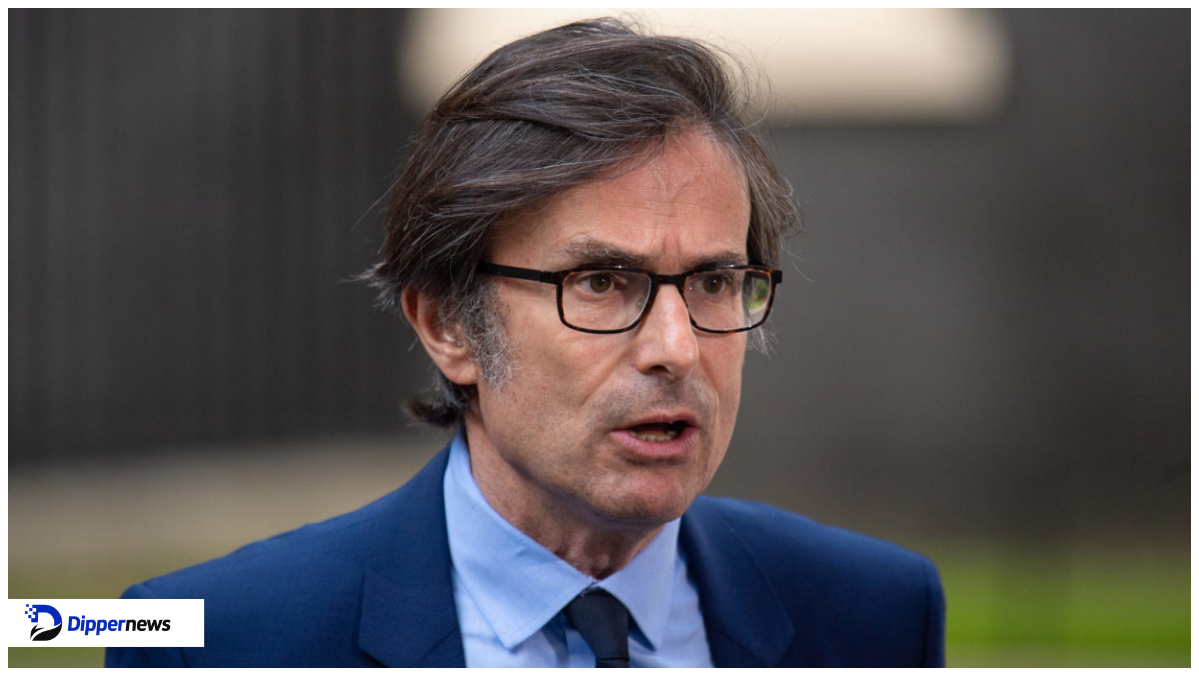
Robert Peston is one of the most recognizable faces in British journalism. Whether people follow politics closely or simply catch the evening news from time to time, chances are they have seen him explaining major financial events in a calm yet sharp manner. Over the years, Peston has become known for breaking huge stories, analyzing economic crises, and making complex political developments easier for ordinary viewers to understand. His style is direct, intelligent, and often deeply insightful, which is why he remains such an influential figure in modern media.
What makes Robert Peston stand out is not just his knowledge of economics or politics. It is the way he combines storytelling with hard facts. Many financial reporters focus heavily on numbers and technical details, but Peston has always tried to connect those numbers to real people and everyday life. This approach helped him build trust with audiences during uncertain periods, especially during the global financial crisis of 2008 when millions of people wanted clear explanations about what was happening to banks, businesses, and the economy.
Today, Robert Peston continues to shape public discussion through television appearances, interviews, articles, and social media commentary. His influence extends beyond journalism because politicians, business leaders, and the public often react directly to his reporting. To understand British media and political reporting in the modern era, it is impossible to ignore the impact Robert Peston has had.
Early Life and Educational Background
Robert Peston was born on April 25, 1960, in London, England. He grew up in a family where intellectual discussions and political awareness were common. His father, Maurice Peston, was a respected economist and member of the House of Lords. Because of this background, Robert was exposed to discussions about economics and public policy from a young age. These early experiences likely played a major role in shaping his future career in journalism.
He attended Highgate School in London before continuing his studies at Balliol College, Oxford. At Oxford, he studied Philosophy, Politics, and Economics, a degree that has produced many influential politicians, journalists, and public figures in the United Kingdom. This academic background gave him a strong understanding of how politics, business, and economics are deeply connected.
After Oxford, Peston continued his education in Brussels at the Université Libre de Bruxelles. This international perspective helped broaden his understanding of European politics and finance. Even during his early years, it was clear that he possessed both intellectual curiosity and strong communication skills, qualities that later became essential to his success as a journalist.
Robert Peston’s Rise in Journalism
Robert Peston did not become famous overnight. His career developed steadily through years of hard work and reporting experience. He began working in journalism during the 1980s and held positions at several respected publications. Early in his career, he worked for Investors Chronicle, The Independent, and The Sunday Telegraph. These roles allowed him to build expertise in financial reporting while learning how the media industry operated.
One of the major turning points in his career came when he joined the BBC. At the BBC, Peston quickly gained a reputation for being exceptionally well-informed about banking, economics, and government policy. He eventually became the BBC’s Business Editor, a role that placed him at the center of financial journalism during one of the most turbulent economic periods in recent history.
His reporting during the 2008 financial crisis made him a household name across Britain. At a time when fear and confusion dominated the financial world, Peston consistently delivered exclusive stories and detailed analysis. He was often the first journalist to report critical developments involving banks and government rescue plans. His ability to explain complicated economic events in plain language helped millions of viewers understand what was happening.
The trust he built during this period significantly strengthened his public reputation. Audiences appreciated not only his expertise but also his calm and measured tone during moments of national uncertainty.
The Financial Crisis and Career-Defining Reporting
The global financial crisis of 2008 was the defining chapter of Robert Peston’s career. During this period, many major banks faced collapse, economies around the world entered recession, and governments were forced to take emergency measures to stabilize markets. For journalists, it was an incredibly challenging time because events were changing rapidly every day.
Robert Peston became one of the most important voices covering the crisis in the UK. His reporting on Northern Rock, Royal Bank of Scotland, and other major financial institutions provided the public with information that was both timely and understandable. He broke several exclusive stories that influenced political debates and market reactions.
What separated Peston from many other journalists was his ability to simplify extremely technical issues without oversimplifying them. Financial reporting can often feel distant or confusing to ordinary people, but Peston translated banking problems into real-world consequences. He explained how economic instability could affect jobs, mortgages, pensions, and household finances.
At times, his reporting even attracted controversy. Some critics argued that breaking sensitive banking news could increase panic in financial markets. However, supporters defended his work by emphasizing the importance of transparency and accurate journalism during crises. Regardless of the debates, there is little doubt that his coverage shaped how the British public understood the financial meltdown.
Robert Peston’s Unique Reporting Style
One reason Robert Peston became so successful is his distinctive communication style. Unlike traditional news presenters who maintain a rigid and formal tone, Peston often speaks in a conversational and analytical manner. He combines serious journalism with a sense of accessibility that makes viewers feel engaged rather than overwhelmed.
His delivery style has occasionally been parodied because of his dramatic pauses and unusual speaking rhythm. However, these traits have also made him instantly recognizable. In modern media, personality matters, and Peston’s unique presentation style helped him stand out in a crowded industry.
Another important aspect of his reporting is depth. Peston rarely focuses only on headlines. Instead, he tries to explore the broader implications behind political or financial decisions. Whether discussing Brexit negotiations, government budgets, or banking reforms, he often explains the motivations, risks, and long-term consequences involved.
In addition to television journalism, Peston is also a strong writer. His books and articles demonstrate his ability to provide detailed analysis while keeping readers engaged. He understands how to balance expertise with readability, which is one of the hardest skills in journalism.
Influence on British Politics and Media
Robert Peston’s influence extends far beyond traditional business reporting. Over time, he became deeply involved in political journalism as well. His interviews with politicians are widely watched because he is known for asking difficult and direct questions. Unlike some interviewers who avoid confrontation, Peston often presses politicians for clear answers and explanations.
After leaving the BBC, he joined ITV as Political Editor. This move allowed him to focus more heavily on political reporting while still using his strong economic background. During major political events such as Brexit and general elections, his analysis became an important source of information for viewers across the country.
Social media also expanded his influence. Robert Peston became highly active online, particularly on Twitter, where he regularly shares political insights and breaking developments. This direct connection with audiences has helped him remain relevant in a rapidly changing media landscape.
Many younger journalists have also been influenced by his style. He demonstrated that financial journalism does not need to be dull or overly technical. By making economics more human and understandable, he helped reshape expectations for business reporting in the UK.
The Legacy of Robert Peston
Robert Peston’s career represents the evolution of modern journalism. He entered the industry during a time when traditional newspapers dominated public discussion, but he successfully adapted to television, digital media, and social platforms. Few journalists have managed to remain influential across so many decades of change.
His greatest strength has always been clarity. During moments of political confusion or economic instability, audiences turn to journalists who can explain events honestly and intelligently. Peston built his reputation by doing exactly that. He earned public trust not through sensationalism, but through expertise and detailed reporting.
Even today, Robert Peston remains one of the most respected political and economic journalists in Britain. His work continues to influence public debate, shape political conversations, and inform millions of viewers and readers. Whether covering elections, economic policy, or government scandals, he brings a level of depth and professionalism that has become increasingly valuable in modern media.
In the end, Robert Peston is more than just a journalist. He is a key figure in contemporary British broadcasting whose reporting has helped the public navigate some of the most challenging political and financial moments of the 21st century.
